
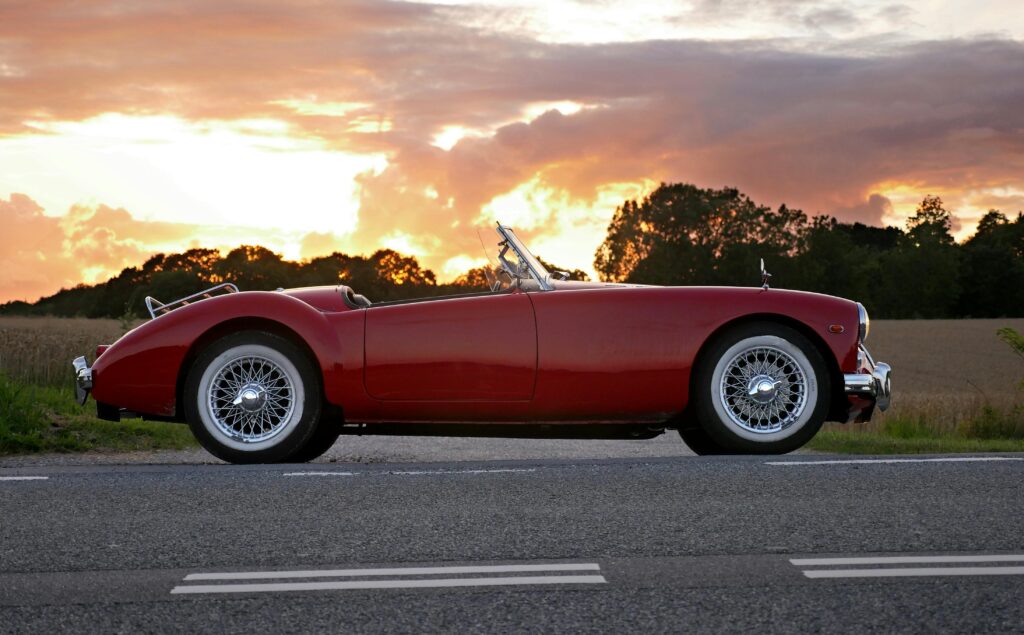
The choice between Masterworks (Art) and Rally (Collectibles/Cars) depends on whether you seek “Steady Appreciation” or “Tactical Volatility.” While art has historically outperformed cars, the 2026 market shows a clear generational shift favoring “Modern Classics” over traditional “Blue-Chip” assets.
For your portfolio, these platforms offer a way to own “hard assets” without the storage and insurance headaches.
1. Masterworks vs. Rally: Platform Comparison (2026)
| Feature | Masterworks | Rally |
| Asset Focus | Post-War & Contemporary Art (Basquiat, Banksy, Warhol). | Multi-Asset: Classic Cars, Watches, Comics, Cards, Wine. |
| Typical Target | Blue-chip paintings ($500k – $30M). | Iconic cultural objects ($20k – $2M+). |
| Fee Structure | 1.5% annual management + 20% of profits. | No management fee; sourcing fee baked into IPO price. |
| Liquidity | Secondary Market (Active) or 3–10 year exit. | Secondary Market (90-day lock-up post-IPO). |
| 2026 Sentiment | Stable; “Middle Market” ($1M–$5M) is the sweet spot. | Volatile; “Modern Classics” (1990s+) are outperforming. |
2. Investing in Art: The “Stability” Play
In 2026, art remains a “Wealth Preservation” favorite. According to recent data, Contemporary Art has delivered an average price appreciation of 13.8% over the last 26 years, consistently outpacing the S&P 500 and Gold.
- Masterworks Strategy: They focus on “Blue-Chip” artists with established auction track records. In 2026, they have pivoted slightly toward the Middle Market (works under $1M), which offers higher liquidity and is less sensitive to the “ultra-wealthy” pullbacks.
- The “Exit” Reality: Most Masterworks exits in 2025–2026 have yielded net annualized returns between 10% and 27%. However, it is a slow game—expect to hold for 3–7 years unless you use their secondary market to exit early.
3. Investing in Rare Cars: The “Generational” Play
The classic car market in 2026 is undergoing a “Sociological Shift.” While 1950s-1970s classics (Jaguar E-Types, early Alfas) have softened, “Youngtimers” from the 1980s–2000s are seeing sharp rises.
- Rally’s Edge: Rally allows you to bet on specific “Culture” items. In 2026, their Porsche 911 (997) GTS and Ferrari F430 (Manual) offerings are highly sought after by Gen X and Millennial investors who identify with these “analogue” icons.
- Modern Classics: Seven of the top 10 car sales in 2025 were built after 1990. Rally is the primary platform to capture this “Modern Classic” surge without having to store a vehicle in a climate-controlled vault.
- The “Softening” Broad Market: Be cautious—the “Hagerty Hundred” (mass-market collectibles) has softened in 2026. True gains are currently concentrated in scarcity-driven models (Bugatti, limited-run Ferraris).
4. Strategic Integration for Your Portfolio
These fractional assets provide the “Alpha” (excess return).
- The “Middle-Market” Art Hedge: Use Masterworks for a 5-year horizon. It’s the closest thing to a “Bond” in the collectibles world—steady, slow, and high-value.
- The “Modern Classic” Trade: Use Rally for your most tactical moves. If you see a 1990s supercar IPO, it may offer a faster “flip” opportunity on the secondary market if that specific model gains “viral” cultural traction.
- Proof of Funds: Remember that your cash holdings can often serve as “Proof of Funds” if you decide to move from fractional platforms into direct ownership via brokers like Empire Flippers or specialist car auction houses.
FAQ
Is art better than cars in 2026?
Statistically, yes. Art price indices have outpaced the Hagerty Classic Car Index by nearly 2x over the last 8 years. Cars carry higher “holding costs” (maintenance/storage), which platforms like Rally bake into the initial price.
Can I sell my shares instantly?
On both platforms, you depend on the Secondary Market. In 2026, liquidity is “lumpy”—you can sell quickly if there is a buyer, but in a market downturn, you may have to discount your shares by 10–15% to exit immediately.
What is the “Rule of 40” for Art?
It doesn’t exist. In art, value is driven by provenance and scarcity. In 2026, a painting with a “Tier 1” gallery history is worth 30% more than an identical work with no history.
Are there taxes on these gains?
Yes. In the US, these are typically taxed as “Collectibles” (28% long-term capital gains rate), which is higher than the standard 15–20% for stocks.